What Causes Health Disparities? Breaking It Down | PHuncle Explains

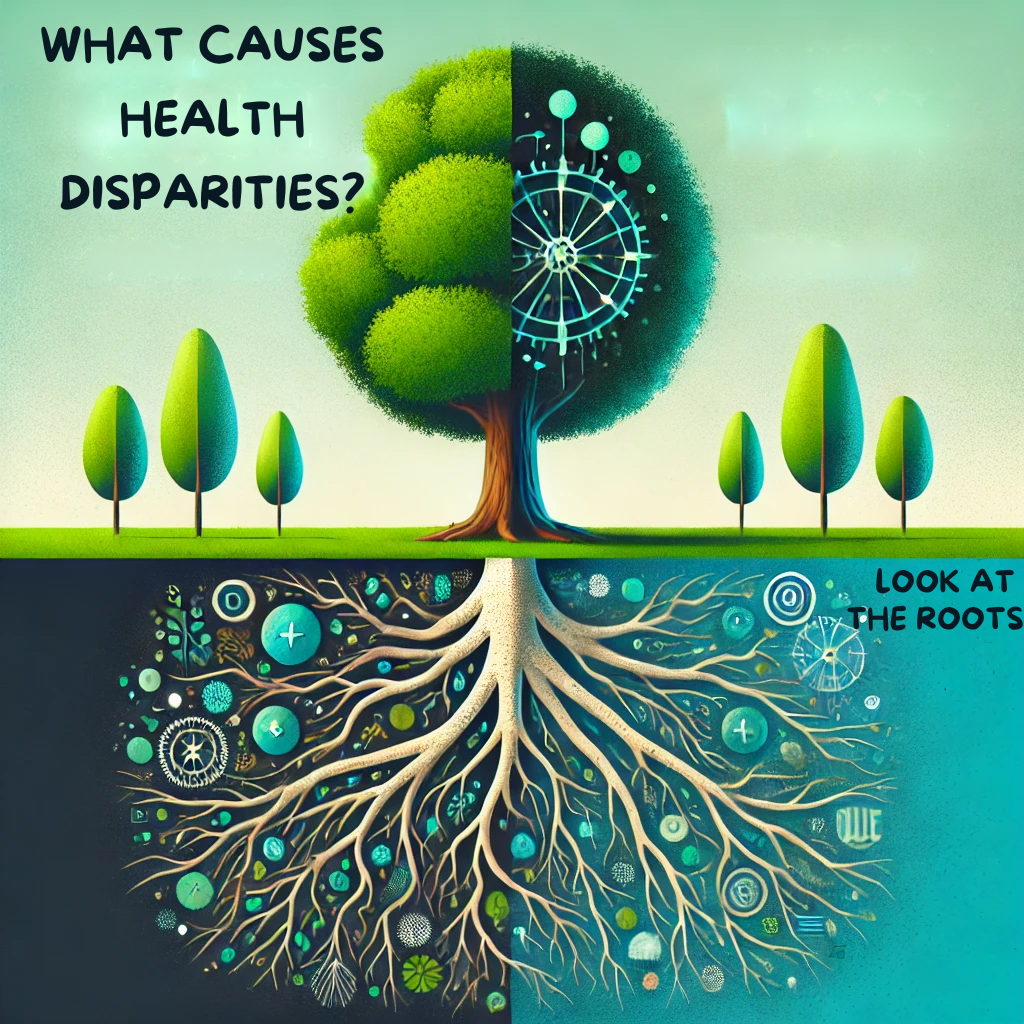
When people get sick more often in certain neighborhoods, it’s easy to blame individual choices. But let me tell you why that’s like focusing on the leaves while ignoring the roots.
Take Type 2 diabetes rates in different neighborhoods. Easy to say, “Well, people should just eat better,” right? But what happens when the closest grocery store is two bus rides away while the corner store selling processed foods is right there?
And let me break down this transportation piece real quick – having your own car isn’t just about convenience. It’s about access to better jobs, better healthcare, better food options, better everything.
But between car payments, insurance, maintenance, and gas, that’s a major investment many can’t swing. Even if they could, some neighborhoods are designed to make driving more difficult—poor road maintenance, limited parking, and safety concerns.
So when we talk about “food choices,” we’re really talking about:
- Transportation access
- Neighborhood design
- Time constraints
- Resource availability
- Economic barriers
Digging Up the Real Causes
First, let’s be clear about what we mean by health disparities: these are differences between groups in health outcomes that are systematic, unjust, and – this is key – avoidable. We’re not talking about random chance here. We’re talking about predictable patterns that follow lines of advantage and disadvantage. Here are some examples of what these may look like.
Food Access and Chronic Disease:
- Food deserts in certain neighborhoods
- Limited access to fresh produce
- Higher concentration of fast food
- Time and transportation barriers
- Result: Higher rates of type 2 diabetes, heart disease
Maternal Health Disparities:
- Limited healthcare access in certain areas
- Fewer prenatal care options
- Transportation challenges
- Stress from systemic racism
- Result: Higher rates of low birth weight and complications
These disparities can also show up across different realms:
Economic Stability:
- Higher stress-related conditions in financially insecure communities
- Limited ability to take time off for preventive care
- Choosing between medicine and other necessities
- Result: Worse management of chronic conditions
Neighborhood and Built Environment:
- Food deserts leading to poor nutrition
- Lack of safe spaces for physical activity
- Environmental hazards in certain areas
- Result: Higher rates of chronic diseases and respiratory problems
Health and Healthcare:
- Limited healthcare facilities in certain areas
- Insurance coverage gaps
- Cultural barriers with providers
- Result: Delayed care and worse health outcomes
Language Access:
- Misunderstandings during medical visits
- Difficulty understanding medication instructions
- Limited health education materials
- Result: Medical errors and poor treatment adherence
Social and Community Context:
- Isolation affecting mental health
- Limited social support networks
- Chronic stress from discrimination
- Result: Higher rates of depression and anxiety
Education:
- Lower health literacy levels
- Difficulty navigating health systems
- Limited access to health information
- Result: Poorer health management
We also see disparities in:
- Deaths of despair (overdose, suicide, alcohol-related)
- Injury rates (workplace, environmental)
- Violence exposure
- Access to mental health services
- Preventive care utilization
Beyond Individual Choices
Let’s be real—telling people to “make better choices” when the system is designed against them is like telling someone to cook a healthy meal in a kitchen with no power. I mean, they could build a fire pit in the living room, but maybe we should address the electricity situation(plus, open fire in the crib? That’s a manufacturing a hazard to try and relieve a situation, something else to think about fam.)
These root causes create a web of challenges:
- Limited transportation affects job opportunities
- Job limitations affect income
- Income affects housing options
- Housing location affects healthcare access
- Healthcare access affects health outcomes
That’s that merry-go-round.
Real Talk About Solutions
Addressing health disparities means changing systems, not just behaviors. Let’s break this down by where we need to make changes:
System Level:
- Better public transportation networks
- More healthcare facilities in underserved areas
- Language access services in all healthcare settings
- Cultural competency requirements in healthcare
- Living wage policies
- Affordable housing initiatives
Community Level:
- Local food access programs
- Community health worker programs
- Mental health support networks
- Social support systems
- Cultural and language-specific resources
- Safe spaces for physical activity
Policy Changes:
- Healthcare coverage expansion
- Environmental protection in all neighborhoods
- Education funding equity
- Housing quality standards
- Workplace safety regulations
- Anti-discrimination enforcement
Because here’s the truth: health disparities aren’t accidents. They’re the result of decisions and systems that were designed this way. The good news? What humans design, humans can redesign.
Every disparity we see—whether in chronic disease rates, mental health access, or health literacy—has root causes we can address. Each barrier we remove opens up opportunities for better health.
Next time you hear someone talk about “personal responsibility” in health, ask them: responsibility for what?
The food deserts?
The lack of healthcare access?
The transportation barriers?
Sometimes, the most responsible thing we can do is acknowledge these root causes and work to change them.